
International Pregnancy and Infant Loss Awareness Month
Each October, families and communities around the world come together in memory and strength for International Pregnancy and Infant Loss Awareness Month. It is a time to pause and reflect on the heartbreak experienced by parents and families through miscarriage, stillbirth or infant loss.
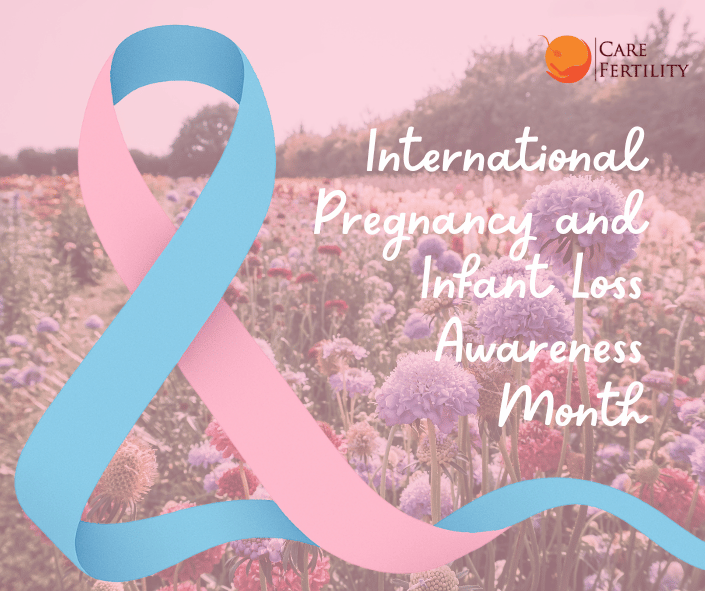
This month is a reminder of the babies gone too soon, but also as a connection point, where grief can be expressed openly, stories of joy and sadness can be shared, and spaces are created where families feel supported rather than alone or isolated in their journeys.
Breaking the Silence
For many families, the loss of a baby is not only devastating, but also invisible. Miscarriage, stillbirth and infant loss are often surrounded by silence, leaving parents to grieve without the support they so deeply need. Friends and loved ones may struggle to find the right words or actions, or may avoid the subject out of discomfort or uncertainty. This silence can leave parents feeling even more isolated at the time when connection and compassion matter most.
Raising awareness and starting conversations around loss help to gently break through this silence. By doing so, we begin to normalise difficult conversations, and remind those around us that grief looks different for every family. With this openness comes the reassurance that parents can share their experiences without fear, judgement, or discomfort and that their babies’ lives mattered deeply.
When families and loved ones listen and respond with empathy, when workplaces acknowledge the need for compassionate policies, and when healthcare providers offer the same level of sensitive care given at other stages of life, we take meaningful steps towards breaking down stigma. Each story shared and each act of compassion contributes to raising awareness, reducing isolation and honouring the previous lives of babies lost.
Honouring Babies Lost
At the heart and soul of International Pregnancy and Infant Loss Awareness Month is the recognition of babies who are no longer with us, and the stories their families bravely share. For many parents, acknowledging their baby’s presence is a vital part of their grieving journey and an affirmation that their life mattered and will always be remembered.
Remembrance rituals offer a heart led approach to honoring babies lost. On October 15, families across the world participate in the Wave of Light, a global act of unity where candles are lit at 7:00pm local time. As time zones shift, a continuous wave of light circles the globe, symbolising love, remembrance and connection. This collective act reminds grieving families that they are not alone, but part of a larger community bound together through love and loss.
Other personal acts of remembrance such as planting a tree, creating memory boxes, writing letters, or sharing stories also provide comfort. These practices help parents express their grief and love, while keeping their baby’s memory alive in a meaningful and lasting way.
Supporting Families
For families grieving the loss of a baby, support from those around them can make a meaningful difference. Simple acts of kindness like listening without judgement, checking in, or asking how you can help can lighten the weight of grief. Small gestures such as sending a message on significant dates, preparing a meal and mentioning baby's name can hold deep meaning. These gestures remind families that their grief is seen, their baby is remembered, and they are not alone. By offering both emotional and practical support, with sensitivity and consent, we surround families with the care and compassion they need as they navigate their difficult journey.
Awareness for Advocacy and Change
Awareness is more than acknowledgement, it's the foundation for meaningful change. By speaking openly about pregnancy and infant loss, we shine a light on the need for improved care, policies and resources that better support families.
Policy change is a start. This includes ensuring adequate bereavement leave for both parents, better access to counselling services, and training for healthcare providers in compassionate communication and care. These measures validate the depth of families grief, while setting a standard of care that respects their experiences.
Organisations and workplaces also have a role to play. By creating compassionate policies such as flexible leave, gradual return to work and employee support programs, they can ease some of the practical and financial burdens families face. At a broader level, continued awareness encourages businesses, community groups and governments to recognise the impact of loss, and to provide supporting environments where families feel understood.
Equally important is investment in research and resources. Greater visibility drives fundraising, public funding and development of support programs, improvement in healthcare services and more. With greater awareness, comes the greater capacity for real and lasting change.
Additional Support
At the core of International Pregnancy and Infant Loss Awareness Month are the families who speak openly and bravely about their loss. Their stories remind us of the profound love parents hold for their babies, and the importance of ensuring those babies are always remembered.
Together, we can stand alongside these families, and listen with empathy, act with compassion and continue to raise awareness. In doing so, we honour the babies gone too soon, support their families and move closer to a world where no parent ever feels they must grieve in silence without support.
In Australia, there are many support programs and organisations for those affected by miscarriage, stillbirth, infant loss or perinatal grief.
Red Nose Australia, together with Sands - https://rednose.org.au/ - 1300 308 307
Bears of Hope - https://www.bearsofhope.org.au/ - 1300 11 HOPE
Stillbirth Foundation Australia - https://stillbirthfoundation.org.au/ - 02 9557 9070
Pink Elephants - https://www.pinkelephants.org.au/

Start your
fertility journey
We're specialists in optimising natural fertility and providing the latest IVF treatments.
Contact us
Phone: (07) 3394 4108
Freecall: 1800 000 483
Suite 9A, Admin Building
Greenslopes Private Hospital
Newdegate Street
Greenslopes QLD 4120