
PCOS is now known as PMOS
What does this mean?
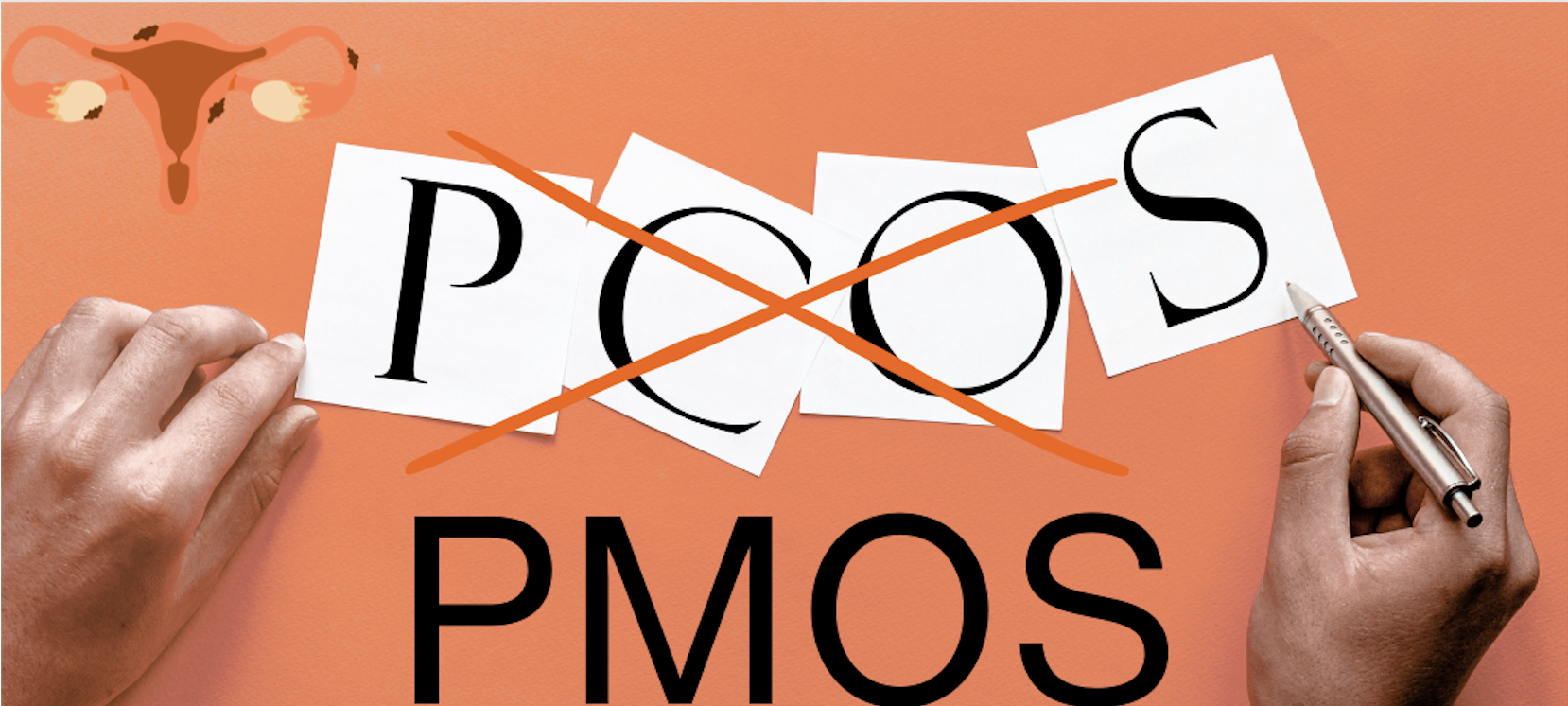
PCOS is now known as PMOS
Polycystic Ovary Syndrome (PCOS) has been one of the most common hormonal conditions affecting women of reproductive age. However, in 2026, a global expert consensus officially recommended changing the name to Polyendocrine Metabolic Ovarian Syndrome (PMOS). While the condition itself has not changed, the new name aims to better reflect what healthcare professionals and researchers have understood for decades: this is far more than just an ovarian condition.
The term Polycystic Ovary Syndrome has long been criticised and despite its name, not everyone affected by this condition has polycystic- appearing ovaries and many of the most significant health impacts actually occur outside of the ovaries.
PCOS placed too much emphasis on ovarian findings while overlooking the hormonal, metabolic, reproductive and psychological features that often have a greater impact on long-term health. The new name, PMOS, was chosen to better represent the complexity of the condition and improve understanding among both patients and healthcare providers.
What Does PMOS Mean?
P = Polyendocrine
Polyendocrine highlights the fact that multiple hormonal systems are involved.
PMOS can affect the reproductive hormones, insulin regulation, ovulation and menstrual function. The condition is not isolated to the ovaries. It involves a complex interaction between several endocrine pathways throughout the body.
M = Metabolic
The addition of metabolic highlights one of the most important aspects of the condition.
Many people with PMOS experience insulin resistance, an increased risk of type 2 diabetes, weight gain or difficulty managing their weight, increased cardiovascular risk factors and abnormal cholesterol levels.
These metabolic features are central to the condition but were not reflected in the previous name.
O = Ovarian
The term ovarian remains because ovarian dysfunction remains an important feature of the condition.
Many women experience irregular or absent periods, irregular ovulation, fertility issues and polycystic ovarian morphology on an ultrasound. However, ovarian changes are now recognised as only one part of a much broader condition.
S = Syndrome
The condition remains a syndrome because it presents differently from person to person and involves a collection of signs and symptoms rather than a single disease process.
PMOS affects approximately 1 in 8 women worldwide, making it one of the most common endocrine disorders in reproductive-aged women. Despite its prevalence, many individuals remain undiagnosed or experience significant delays before receiving an accurate diagnosis. Experts hope the new name will improve awareness and encourage earlier recognition of symptoms.
The name has changed, but the diagnostic criteria and treatment approaches remain largely the same.
Management continues to focus on:
Improving ovulation and fertility where desired
Managing menstrual irregularities
Addressing insulin resistance and metabolic health
Supporting weight management when appropriate
Treating symptoms such as acne or excess hair growth
Supporting mental health and wellbeing
For women who wish to conceive a pregnancy, ovulation induction, IVF and other fertility treatments remain important options when pregnancy is desired.
The move from PCOS to PMOS acknowledges that this is a whole-body condition rather than simply an ovarian disorder and by using a name that more accurately reflects the condition, healthcare providers hope to improve awareness, reduce stigma, encourage earlier diagnosis and support more comprehensive care throughout the lives of those with the condition.

Start your
fertility journey
We're specialists in optimising natural fertility and providing the latest IVF treatments.
Contact us
Phone: (07) 3394 4108
Freecall: 1800 000 483
Suite 9A, Admin Building
Greenslopes Private Hospital
Newdegate Street
Greenslopes QLD 4120